Beautiful Sunk Cost Trend
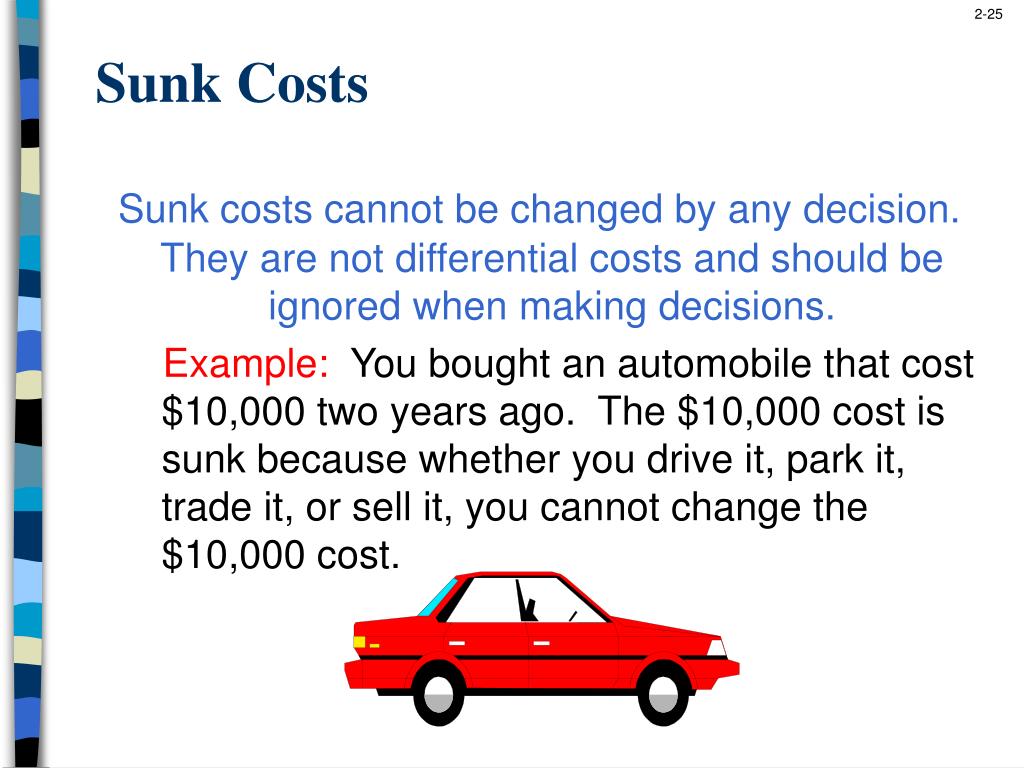
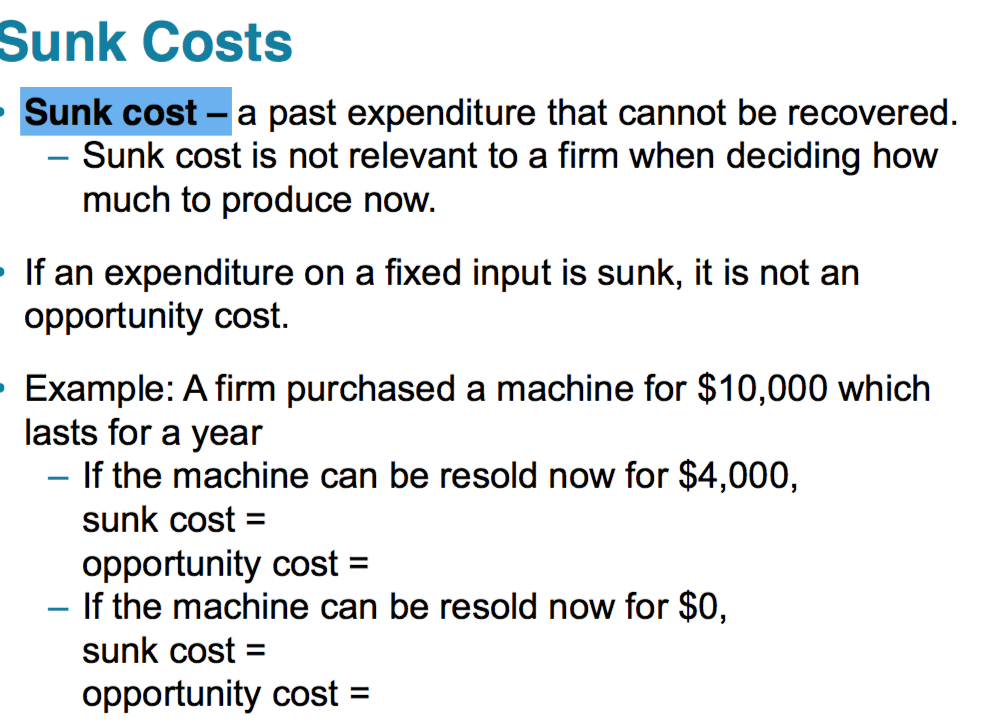
Sunk costs are expenses incurred to date in a project that are already spent and as a result cannot be recovered. Contoh sunk cost biaya iklan.

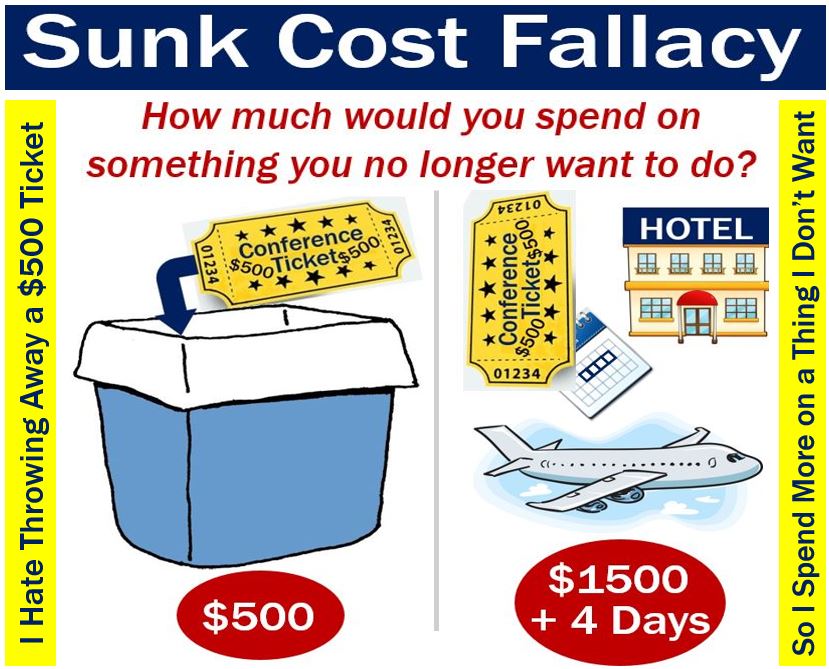
What are sunk costs? Definition and meaning Market Business News
Jenis biaya ini merupakan sunk cost atau biaya hangus.
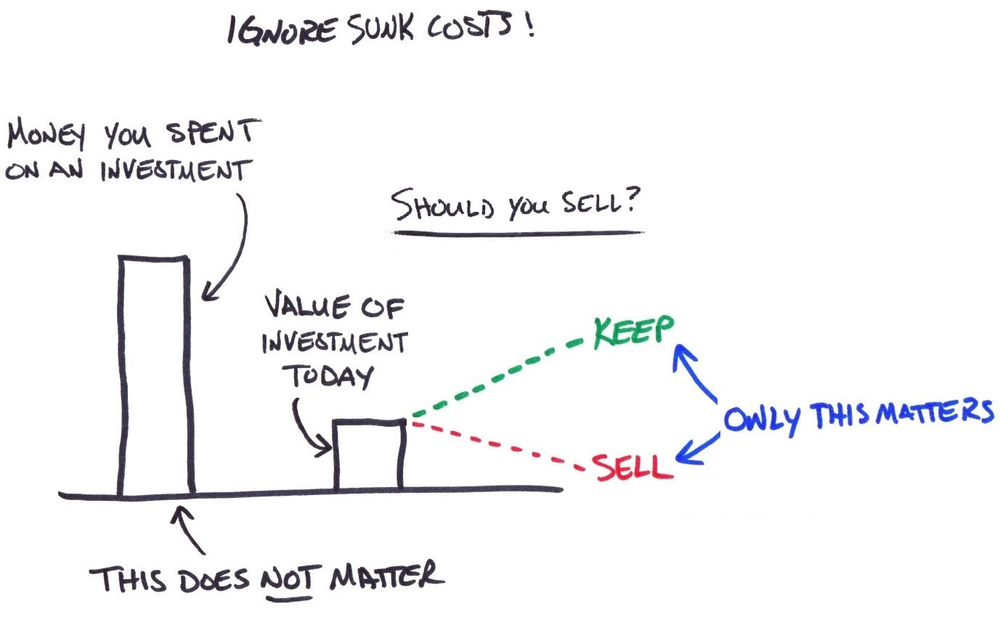
Sunk cost. Types of sunk costs marketing and advertising expenses research and development costs installation of new software systems Hanya saja, profitabilitas biaya yang dikeluarkan ini belum terjamin 100%. The sunk cost fallacy describes our tendency to continue to pursue an endeavor that we have already committed to in terms of investing money, time or effort into it, even if those costs are not recoverable.
The sunk cost bias is a psychological thinking which we like to fall into and act irrationally. As part of the campaign, you spend $2,000 advertising on a local radio station. Jadi, sunk cost artinya biaya yang telah dikeluarkan dalam suatu bisnis dan tidak dapat dipulihkan kembali.
The $2,000 you spend on advertising is a sunk cost. A sunk cost is a cost that an entity has incurred, and which it can no longer recover. Take a look at some sunk cost examples in business.
You are free to use this image on your website, templates, etc, please provide us with an attribution link. Kita memahami bahwa sunk berarti tenggelam, dengan demikian kita sedikit memahami bahwa sunk cost adalah biaya yang sudah tenggelam dan tidak punya dampak dalam produktifitas di masa datang. Top 4 examples of sunk cost.
Sunk costs, by the way, are those expenses that are virtually no longer reversible. We tend to hold on to something for too long or consider it more valuable just because we have already invested time or money in it. A sunk cost is a cost that has already been incurred and thus cannot be recovered.
The sunk cost fallacy occurs because our emotions often cause us to deviate from rational decisions. Di beberapa perusahaan, setiap pemimpin perusahaan sudah. Meski demikian, sunk cost biasanya sudah direncanakan, misalnya saja untuk marketing ataupun untuk riset.
Sunk costs are a normal part of operating a company. A sunk cost differs from future costs that a business may face, such as decisions about inventory. Karena sunk cost adalah biaya yang dikeluarkan untuk suatu bisnis, maka sunk cost akan memiliki dampak terhadap bujet dari perusahaan tersebut.
Sunk costs should not be considered when making the decision to continue investing in an ongoing project, since these costs cannot be recovered. Contoh biaya yang akan mengalami sunk cost misalnya biaya pembelian persediaan atau biaya. Dalam pengelolaan akuntansi perusahaan, terdapat biaya yang memang tidak dapat kembali karena satu dan lain hal.
Ini adalah sejumlah uang yang tidak lagi mempengaruhi keputusan keuangan masa depan bisnis. A sunk cost is incurred in the past and cannot be changed. Sunk cost adalah biaya yang telah dibayarkan dan tidak dapat diperoleh kembali.
However, many managers continue investing in projects because. You decide to create an advertising campaign and add funds to your budget. The sunk cost fallacy can describe trivial things like continuing.
Sunk cost fallacy happens when a business decides to continue its spending because of the pet decisions involved, like time, money, and resources, instead of taking a rational decision and following choices that will maximize the returns. Jika anda mengiklankan produk baru, uang untuk iklan akan hilang dan tidak dapat diambil kembali. Saat kerugian yang sudah terlihat jelas tidak kunjung membaik, maka ketua tim ataupun.
Sunk cost fallacy costs the business more significant financial losses. Jika anda melakukan riset untuk produk baru, dan ternyata tidak berhasil, anda tidak dapat. Pada sunk cost ini merupakan biaya masa lalu yang sudah tidak terjadi dan secara ekonomis tidak layak dijadikan pertimbangan dalam.
Padahal itu hanya akan menghasilkan kerugian yang lebih tinggi dan pengambilan keputusan yang tidak rasional. Perusahaan berpikir dapat memulihkan uang yang hilang. Once spent, the sunk cost cannot be recovered when the firm leaves the industry.
Biaya relevan yang juga dikenal sebagai “biaya prospektif”, adalah. Sunk cost fallacy atau sunk cost adalah sebenarnya berakar pada teori ekonomi, tetapi dapat diterapkan pada banyak aspek perilaku manusia. Sunk cost examples include rent, subscription fees or hardware.
Sunk cost adalah biaya yang telah perusahaan keluarkan dan tidak dapat pulih kembali. 4 solusi ampuh dalam menghadapi sunk cost 1. Sunk cost fallacy muncul ketika perusahaan secara ketat mendukung keputusan awal karena telah menempatkan uang pada suatu proyek.
Menerapkan constructive creative tension di dalam tim. Konsep sunk cost, juga dikenal sebagai “biaya retrospektif,” adalah kebalikan dari biaya relevan. A sunk cost is an irretrievable cost.
Pengertian, contoh penerapan, dan tips bagi perusahaan. Instead, only relevant costs should be considered. Secara sederhana, sunk cost adalah suatu kondisi yang menunjukkan bahwa kamu terlalu menekankan semua hal yang telah kamu investasikan dalam sesuatu, apakah itu waktu, uang, keterlibatan emosional, dan.
The sunk cost fallacy is our tendency to continue with an endeavor we’ve invested money, effort, or time into—even if the current costs outweigh the benefits. Sunk costs are fixed and do not change irrespective of the levels of productivity of a project or operation. Sunk cost bias explained simply.

Sunk Cost (Definition, Meaning) What is Sunk Cost Fallacy?
PPT Ethical Decision Making Heuristics and Biases William J. Wilhelm

Sunk Costs Are In The Past Ignore Them

The sunk cost fallacy Deepstash
PPT Cost Terms, Concepts, and Classifications PowerPoint Presentation
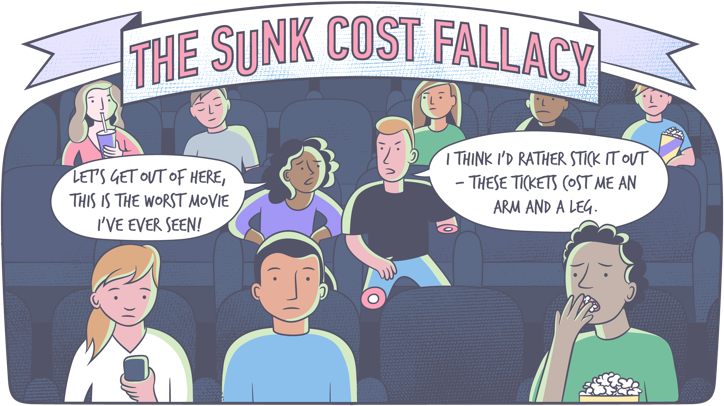
The Sunk Cost Fallacy The Big Picture
Sunk Cost Definition, Examples and Fallacy TheStreet

Avoiding the Sunk Cost Fallacy [Infographic] Teach a CEO
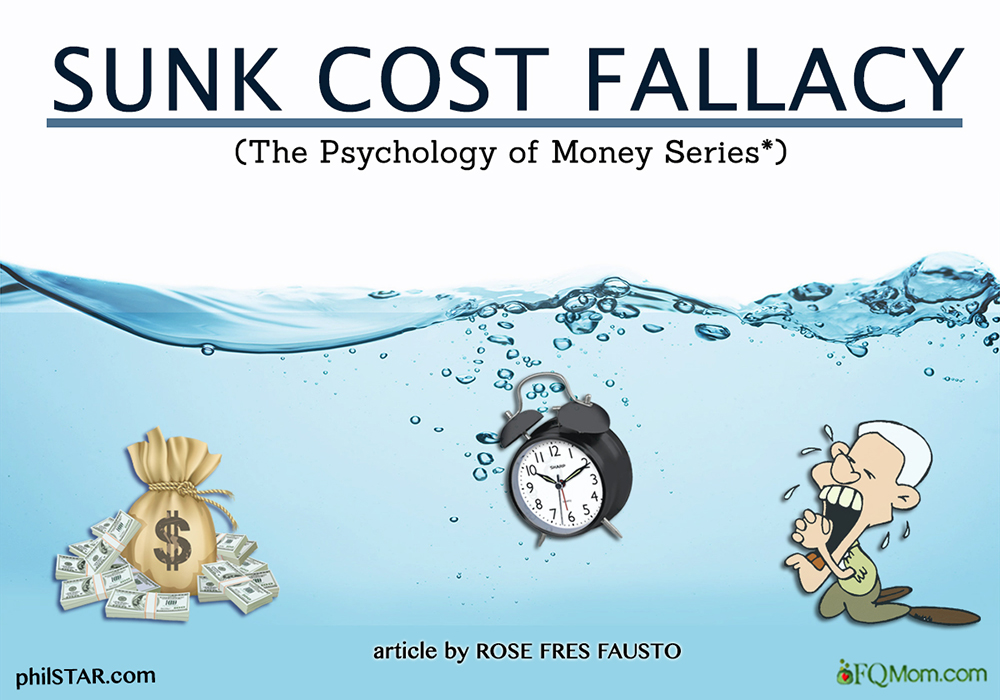
Sunk cost fallacy (The psychology of money series)
️ Sunk cost example. Sunk Cost Definition, Examples and Fallacy. 2019
What are sunk costs? Definition and meaning Market Business News

Post a Comment for "Beautiful Sunk Cost Trend"